


In this interview with DAMAN, Rhenzy Feliz reflects on playing Victor Aguilar in The Penguin and finding room for comedy in How to Rob a Bank. He also discusses what drew him to Bad Day and Porto Rico, and how he weighs a good part against the opportunities it might open up.
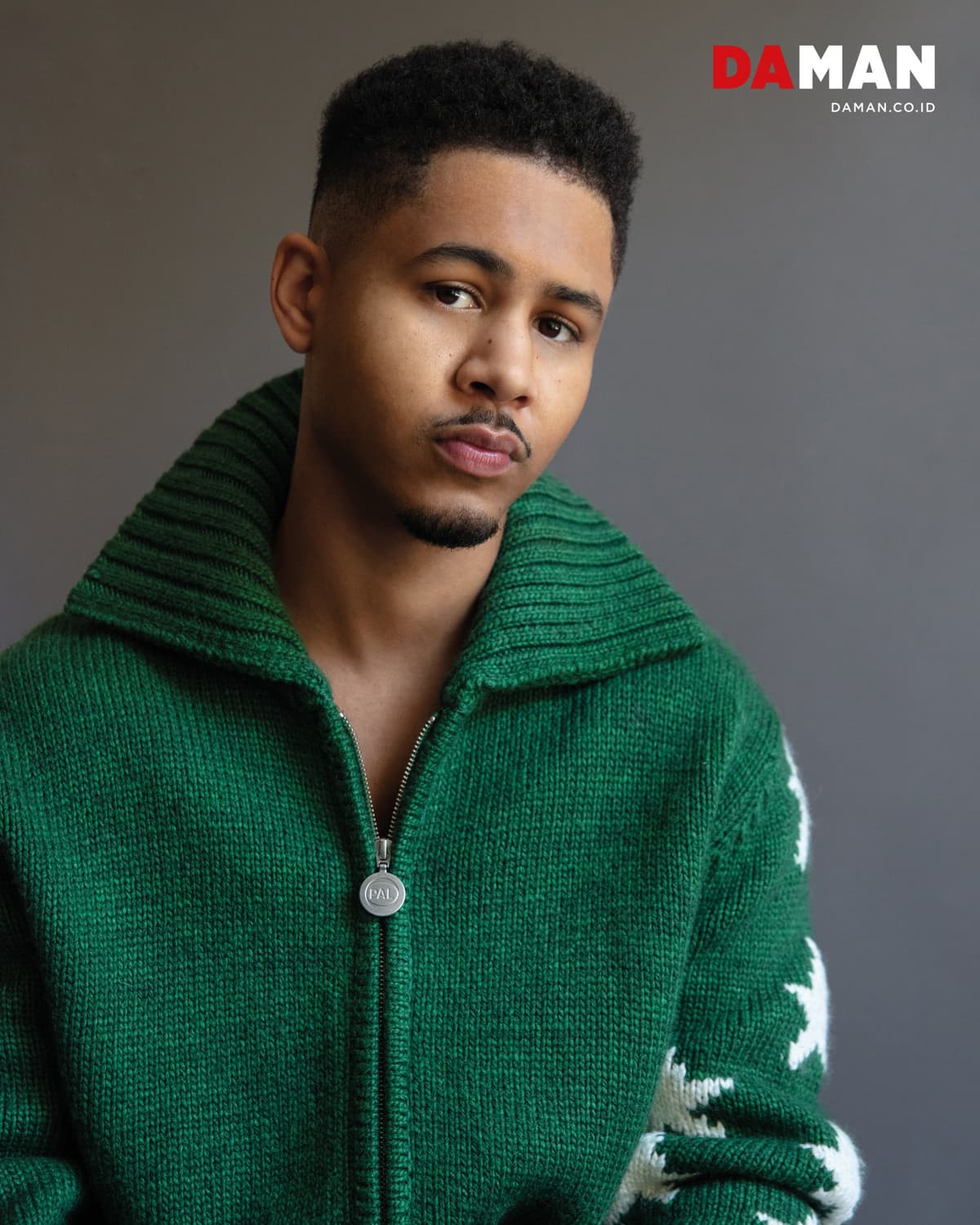
Not many actors move seamlessly between superhero dramas, prestige television, action blockbusters and comedy. Rhenzy Feliz is doing exactly that. Fresh off his acclaimed performance in “The Penguin,” the actor is preparing for an ambitious run of films alongside some of Hollywood’s biggest names. Yet despite his rising profile, his priorities remain remarkably unchanged: find the right story, give everything to every role and let the work speak for itself.
Rhenzy Feliz on the Roles That Draw Him In
DAMAN: It’s been an exciting few years for you. Looking back, what has surprised you most about this chapter of your career?
Rhenzy Feliz: It’s interesting because two opposing feelings live inside me simultaneously. Getting to work with the caliber of people I have is what I’ve always wanted and worked toward, but it still shocks me when I look back at the level of talent I’ve been able to surround myself with. So, while this was always the goal, it’s still a very surprising feeling.
DA: As your career continues to evolve, what kinds of stories or characters are you finding yourself drawn to now?
RF: Weirdly enough, I don’t know how much it’s really changed. Older characters, for sure, but beyond that it’s always been the same kind of project that excites me. Something that, when I read it, stirs in me a need to do it. It doesn’t happen very often that I read something and think, “Wow.” So, when I do, I tend to throw all my eggs into that basket and go for it.
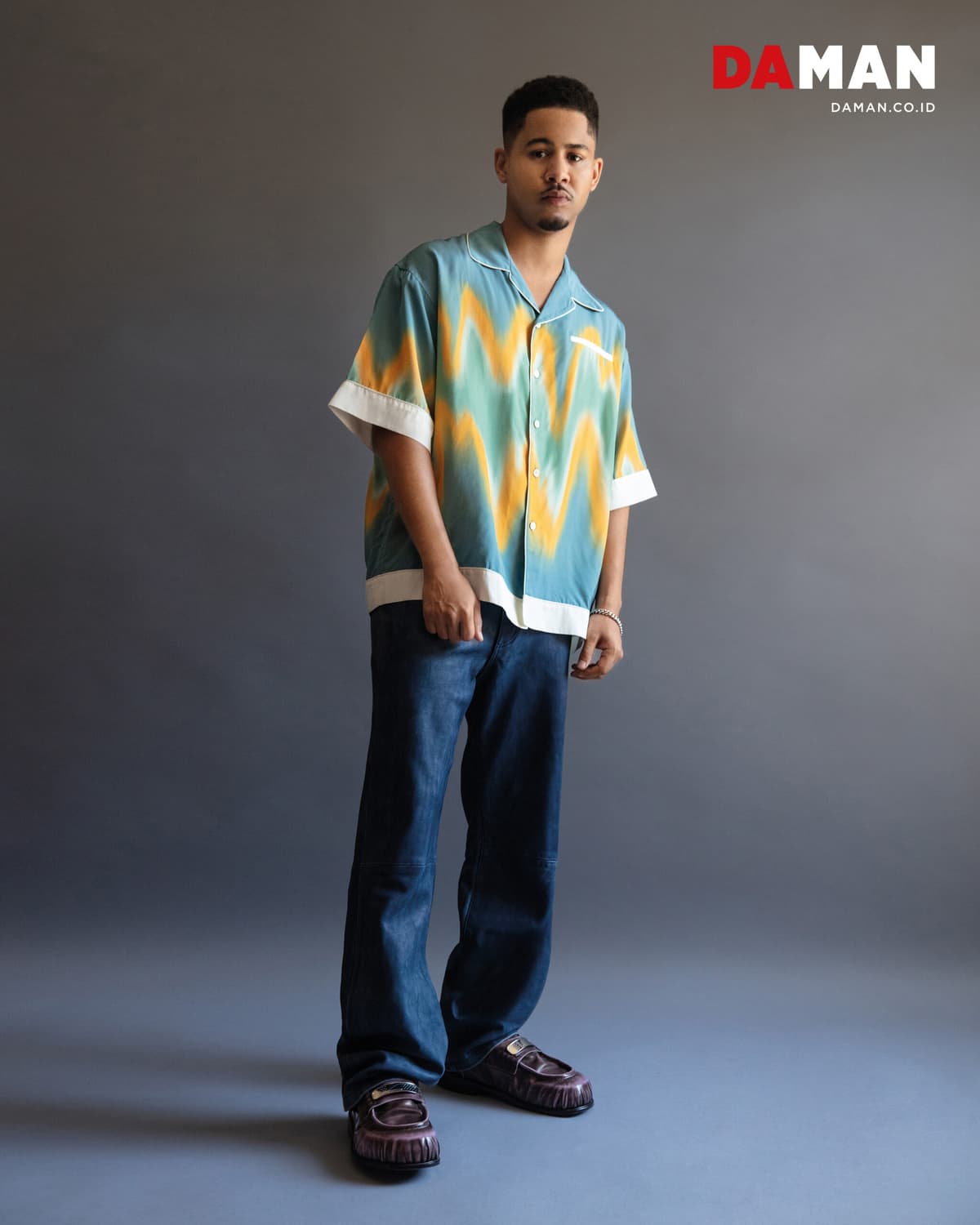
Playing Victor Aguilar in The Penguin
DA: “The Penguin” introduced audiences to a very different side of you as an actor. What did playing Victor teach you about your craft?
RF: I’d never had to change the way I spoke for a role before, so that was a big undertaking. Especially because it was a stutter, it felt different in many ways from doing an accent.
Getting to spend so much time around Colin (Farrell) taught me a lot, too. It’s one thing to share a few scenes with another great actor, but spending six months with Colin was invaluable. He’s constantly focused on the job we have to do, but he never makes that anyone else’s burden. At the same time, it takes nothing away from how much he demands of himself. Before this job, I’d almost be embarrassed to try so hard in front of the crew. I lost that feeling working with him.
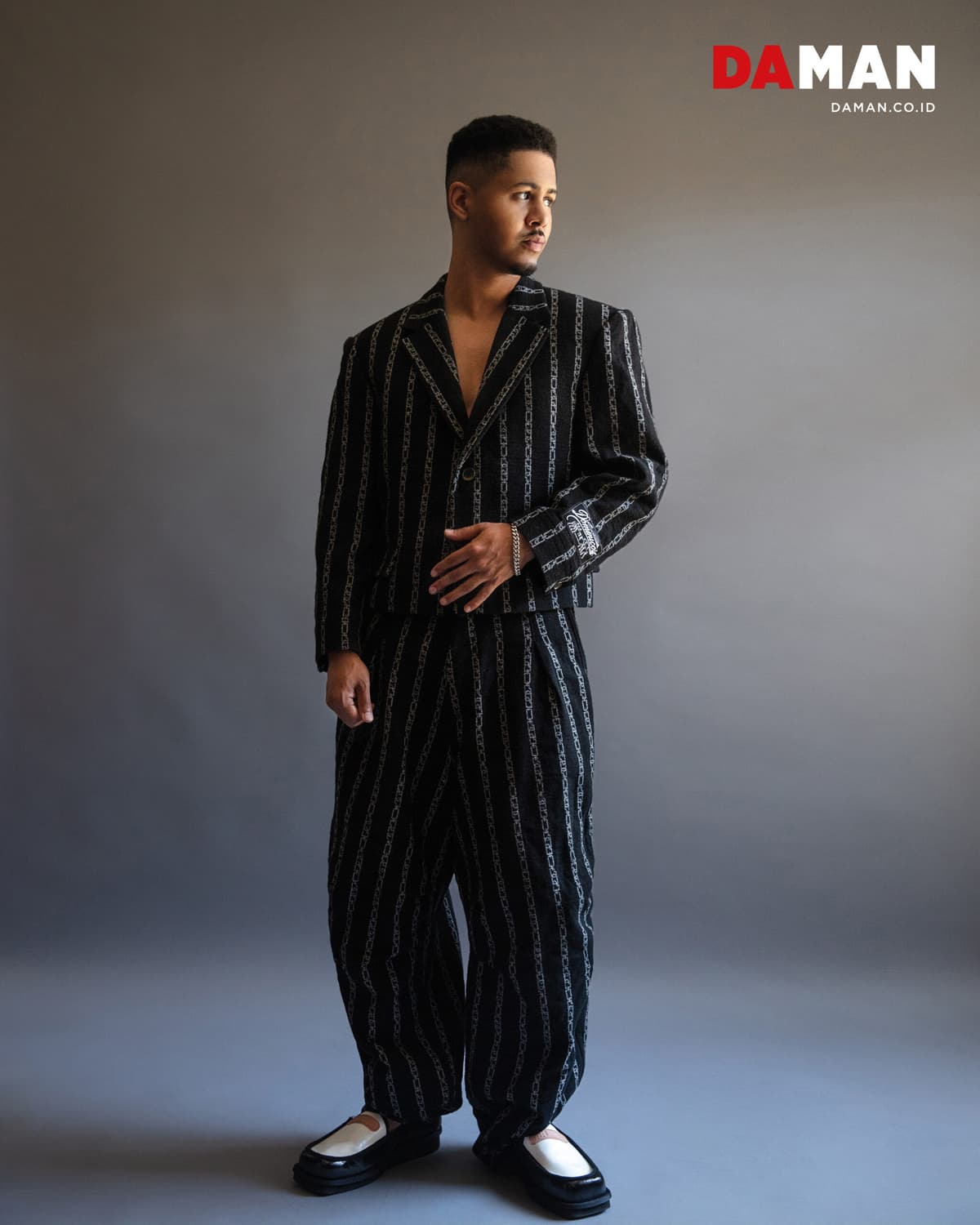
DA: What was it about Hugo in “How to Rob a Bank” that immediately caught your attention?
RF: He’s such a lighthearted and fun guy. Most of the roles I’d played before carried a certain amount of seriousness, and I felt I’d never really had the chance to show a lighter side of my personality.
DA: Hugo is the crew’s videographer as much as he is one of the robbers. How did that perspective shape the way you approached the role?
RF: I feel like everyone’s got a role to play on the team. He’s definitely younger than the rest of the crew, and being the one who understands the online side of things and is technically sound has to give him a certain amount of confidence. I didn’t want to play him like a nerd or something more cliché. I wanted him to be someone who knew how valuable he was and felt important. I thought that was more interesting.
DA: Beneath the action, the film is about people chasing something bigger than themselves. What do you think Hugo is really after?
RF: A better life for himself and his family. Like the rest of the crew, he got screwed over by systems that were supposedly there to protect people. So he wants what he feels he deserves, not just for himself but for the people he loves.
DA: You worked alongside Nicholas Hoult, Zoë Kravitz, Anna Sawai and Pete Davidson. What did you learn simply from watching them work?
RF: I loved how much fun we had on that set. There was this strong sense that everyone cared deeply about the work but still knew how to have a great time. I loved that. We really had fun.
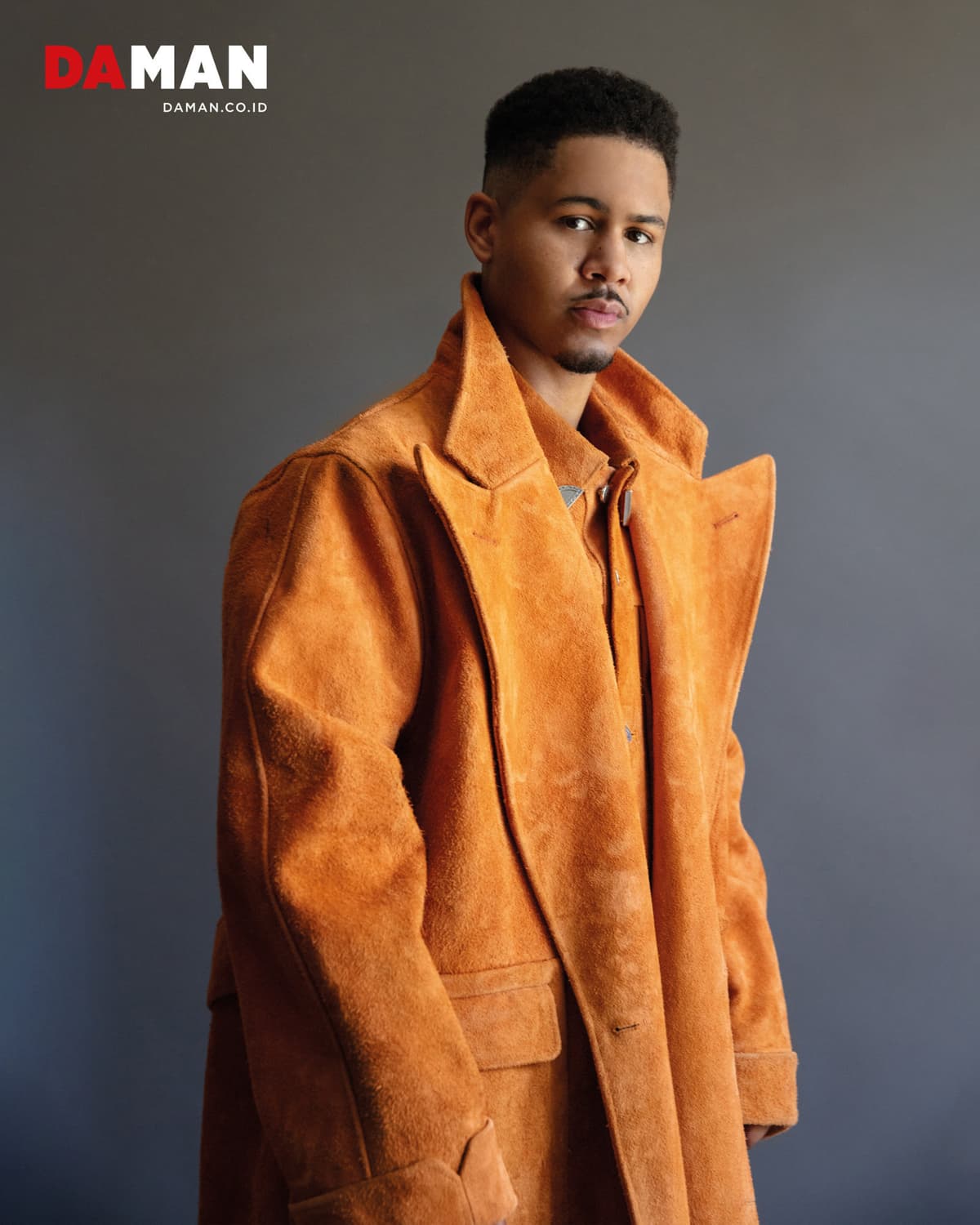
DA: David Leitch is known for balancing action with character. What was the biggest lesson you took away from working with him?
RF: How cool a movie can be. Visually, yes, which I don’t think he gets enough credit for, but also how much it helps when the actors are actually doing the action themselves. I’m always game for that kind of thing, and I think it shows up in the movie.
DA: Every memorable heist movie has its own identity. What do you think makes “How to Rob a Bank” stand out?
RF: The viral element, for sure. They’re taking advantage of the world we live in now. It brings a fun twist to the movie, and there’s a reason for it. It’s not just a gimmick.
From Comedy in Bad Day to History in Porto Rico
DA: Your upcoming slate includes “Bad Day” and “Porto Rico,” two films that couldn’t be more different. Was building that kind of range always a conscious goal?
RF: Yes, always. Different is good because it keeps challenging you and helps you grow. But I’m also just following the good projects that come into my life. Thankfully, they are very different, and I’m even more grateful that the people involved see me as someone who can exist in all these different worlds, whether comedy, drama, heist, Gotham or a Western. It’s fun to switch it up with such incredibly talented people.
DA: “Bad Day” marks a shift into comedy alongside Cameron Diaz. What excited you most about stepping into that world?
RF: The fear I felt. Seriously, I was so scared to step into a comedic role like this. It’s been 10 years, and most of what I’ve done has been so serious. I was just starting to feel a little more comfortable with that when this came along. I promised myself I’d push, listen and take direction from the people who knew what they were doing. That’s actually advice Colin gave me when I asked him about taking this role.
DA: Cameron Diaz returns to the screen in “Bad Day” after years away. What was it like sharing scenes with someone who has inspired so many actors?
RF: It was incredible. She’s a gem of a person and a mother, and getting to be around her so much on that set felt awesome.
DA: “Porto Rico” brings together an impressive cast while telling a story rooted in history. What drew you to the project?
RF: René’s passion and the history of Puerto Rico. I sat down with him about a year ago, and hearing him describe the history and the story we were trying to tell gave me goosebumps. I was in before I even read the script. But after I did, I knew we had a chance to make something really special.
DA: Working alongside Bad Bunny and Edward Norton makes for an unusual combination of collaborators. What are you most excited for audiences to see in “Porto Rico”?
RF: Honestly, René (Pérez Joglar), our director’s, vision. I think his love and passion for his country and everything it’s been through will shine through. You won’t be able to help but feel it.
DA: As a Dominican-American actor, how meaningful is it to be part of an industry that’s embracing more diverse voices and stories?
RF: It’s great. It feels difficult at times, but nothing worth having isn’t. So the focus becomes pushing through and trying to find the things that speak to you. I’ve been fortunate enough to find a few projects in that vein.
DA: As your profile continues to grow, how do you stay focused on the work instead of the expectations that come with it?
RF: The work always takes precedence. Nothing happens without doing a good job first and foremost. So it’s about never losing sight of that. The rest you have to make time for, but I have a great team that helps me prioritize, and we’re all on the same page. The work is king.
DA: You’ve worked with filmmakers whose styles couldn’t be more different, from George Clooney and Kelly Reichardt to David Leitch. Has any of them fundamentally changed the way you think about acting?
RF: Hmm. George is so good at acting that whatever ideas I’d spend weeks coming up with in my hotel room, he’d top on the very first read-through. George admittedly likes to give line readings, and I, for one, don’t mind as long as the line reading is good. And goodness me, were his good. He’s so naturally funny, talented and experienced that his off-the-cuff readings of my lines put whatever I’d been thinking to shame.
DA: With so many opportunities coming your way, how do you tell the difference between a good role and the right role?
RF: That’s an interesting question. I’d like to say the only thing going through my head is whether it’s a good role, but that’d be a lie. Of course, that’s the first thing, but sometimes opportunities matter. Whether or not you think it’s the greatest role you’ve ever read, you also have to think about what helps position you to be the person they call when that great role finally comes along. I think the further I get into my career, the more I’ll be able to lead with what’s good. But right now, you have to ask yourself whether certain roles put you in the conversation for the next one. That does matter.
DA: If someone watched “The Penguin,” “How to Rob a Bank,” “Bad Day” and “Porto Rico” back-to-back, what thread do you hope they’d see connecting those performances?
RF: Someone who cares. The roles are all so different, but hopefully they’d see someone who’s never phoning it in. I’ve taken every role seriously.
DA: When this chapter of your career is over, what do you hope people will say it represented?
RF: A turning point. Where it all changed for him.
Photography Lensbymi
Styling Kimberly Yvette Goodnight
Grooming Veronica Nunez with Art Department using Cecred Haircare and Jaxon Lane Skincare